VCSEL Stability and Wavelength Drift
Why the actual behavior of your light source determines your system
News & Insightspublished on 18.05.26
If you work with sensor systems, LiDAR applications, or industrial metrology, you know the situation:
The design is clean, the electronics are stable, the algorithms work — and yet the system drifts. Not in the lab, but in the field. What causes this?
The Light Source as an Underestimated Factor
In many cases, the root cause is not the system itself, but an assumption that is rarely questioned: how the light source behaves under real operating conditions.
Our experience at IMM Photonics shows that factors such as stability, wavelength drift, and optical power stability have a direct impact on system performance—affecting precision, reliability, and reproducibility.
The expectations for modern light sources are clearly defined and typically specified in datasheets:
- stable wavelength across the temperature range
- reproducible optical output power
- consistent performance from prototype to series production
Small Deviations – Big Impact
Even minor variations in light source behavior can have significant effects on the overall system: additional control mechanisms, complex calibration logic, and increased safety margins in the design. These elements are rarely part of the application’s core functionality. Instead, they arise because the behavior of the light source under real operating conditions is not fully predictable. This is exactly where VCSELs come into play.
“How much of your system actually exists just to stabilize or compensate for the light source?”
Vertical Cavity Surface Emitting Lasers (VCSELs) are characterized by a nearly symmetrical Gaussian beam profile, low divergence, and high efficiency. The key differentiator, however, lies in another aspect: the high reproducibility of their behavior under real operating conditions.
This property is especially critical in demanding applications such as VCSEL-based LiDAR systems, Time-of-Flight (ToF) sensing, interferometry, and optical interconnects for AI infrastructure and data centers, this very property is of central importance, as it makes system behavior more predictable, stable, and efficient.
VCSELs and Their Impact on System Performance
A look at real measurement data shows how single-mode VCSELs at 850 nm behave under practical operating conditions.
VCSELs from IMM Photonics are comprehensively characterized after an elevated-stress burn-in process, resulting in the following typical parameters:
- Wavelength drift: ~0.053 nm/K
- Stable output power from 0 to 60 °C
- Device-to-device variation in optical output power: ≈ ±0.01 mW (typical)
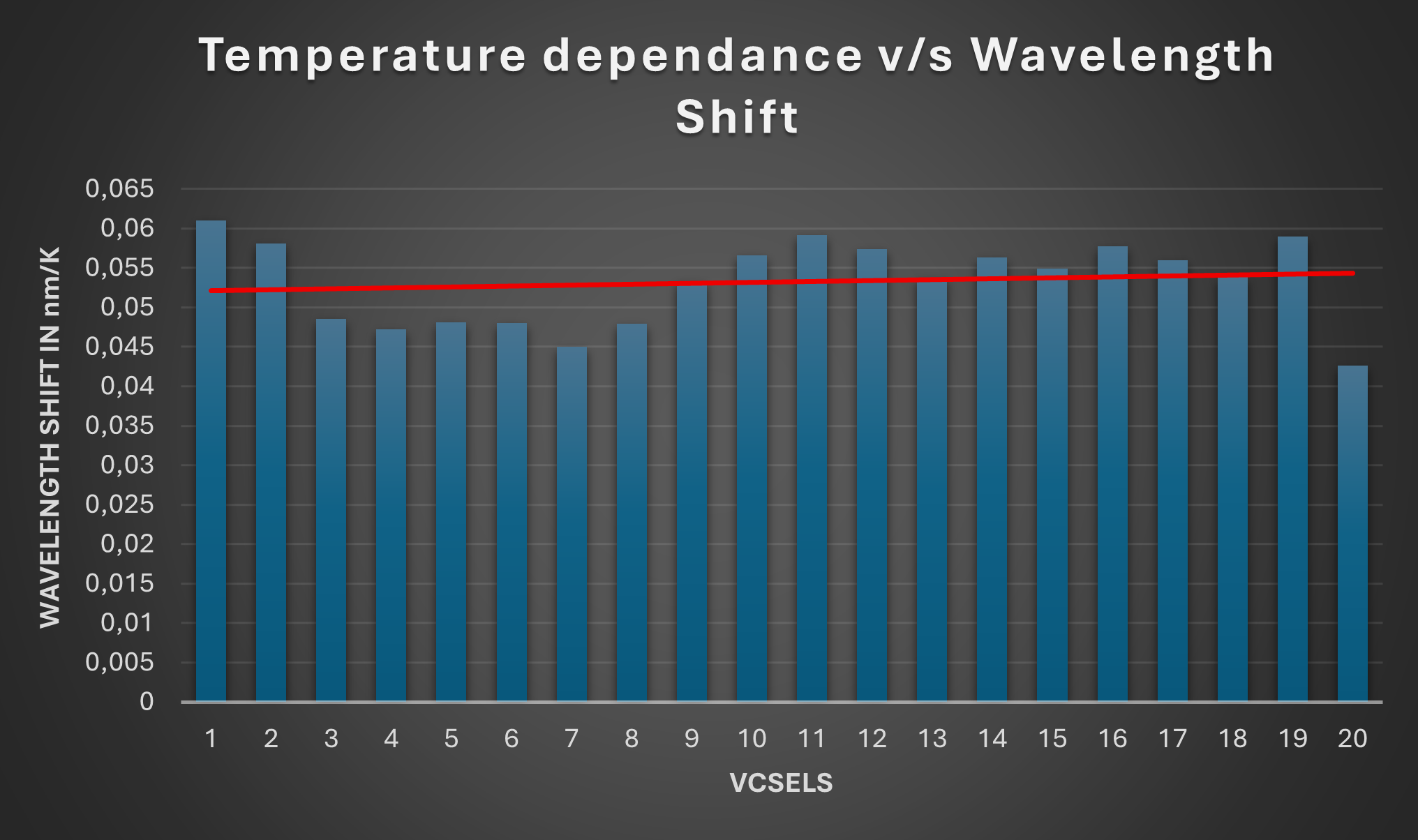
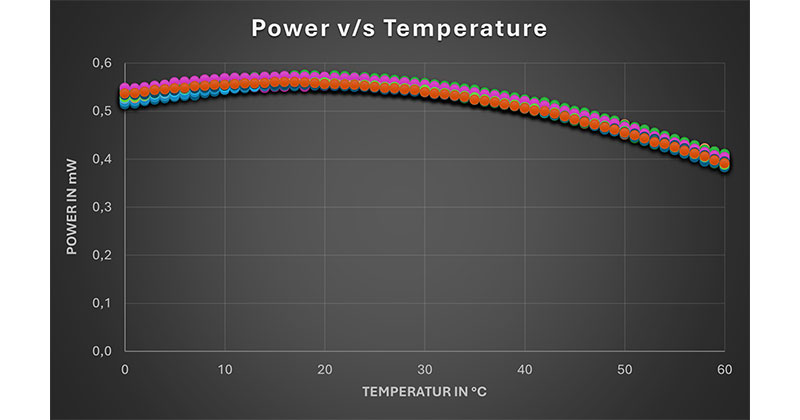
These parameters are particularly relevant for LiDAR laser sources and Time-of-Flight (ToF) systems, as well as for interferometry requiring high wavelength stability and industrial optical sensing with reproducible output power.
Their true significance lies in the system context: they make the behavior of the light source predictable, thereby reducing complexity and the
Integration Becomes More Predictable
Stable optical properties make the integration of light sources significantly more predictable and reduce development and validation effort. This approach is also reflected in IMM Photonics’ design concept:
- Nearly circular beam profile (ε ≥ 0.87 according to ISO 11146)
- Controlled polarization characteristics (design-dependent)
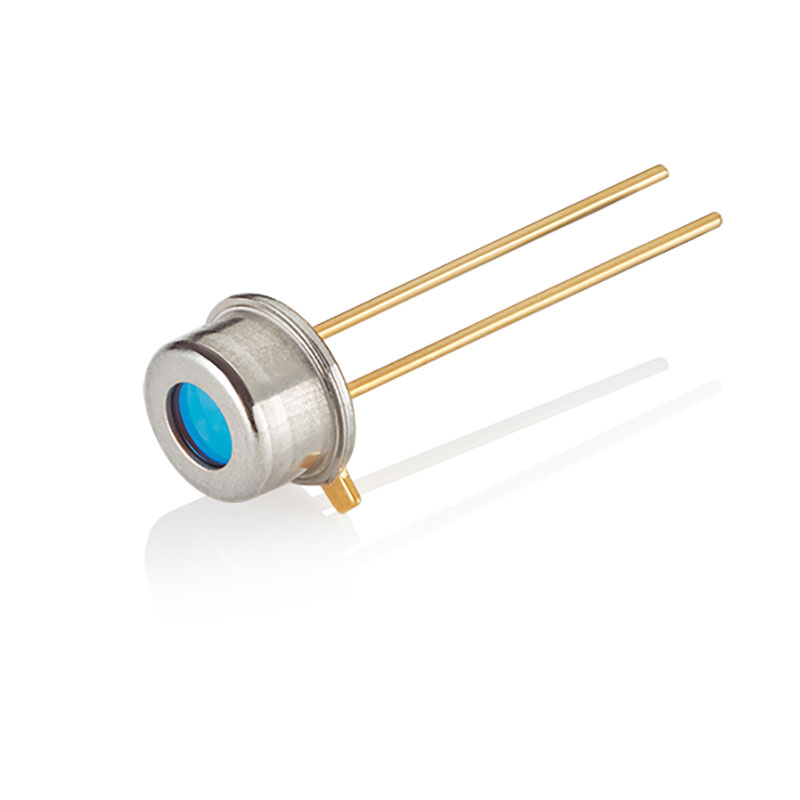
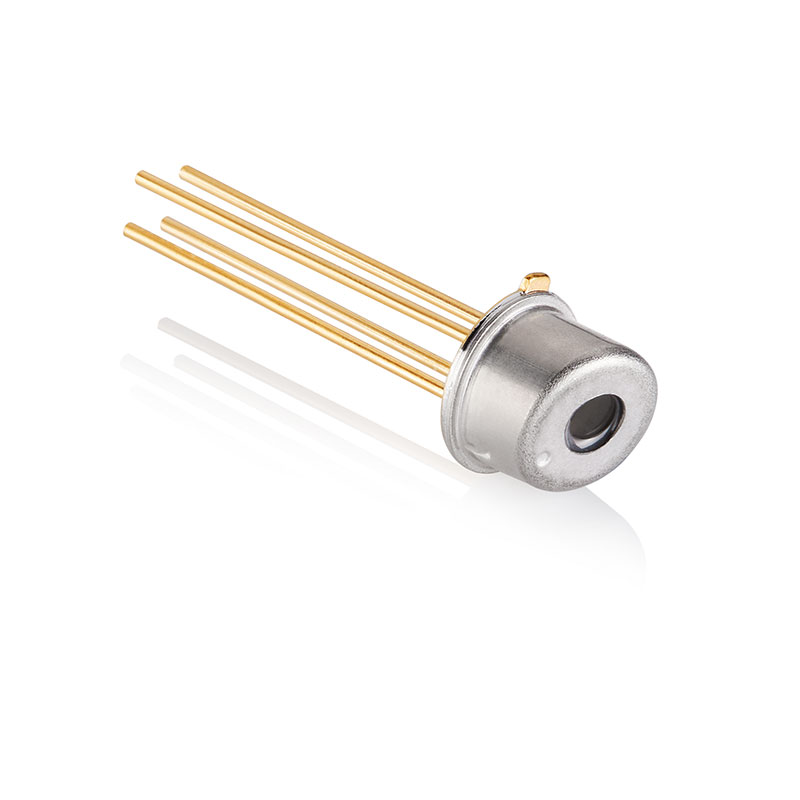
- Hermetically sealed TO‑46 packages with defined emitter position
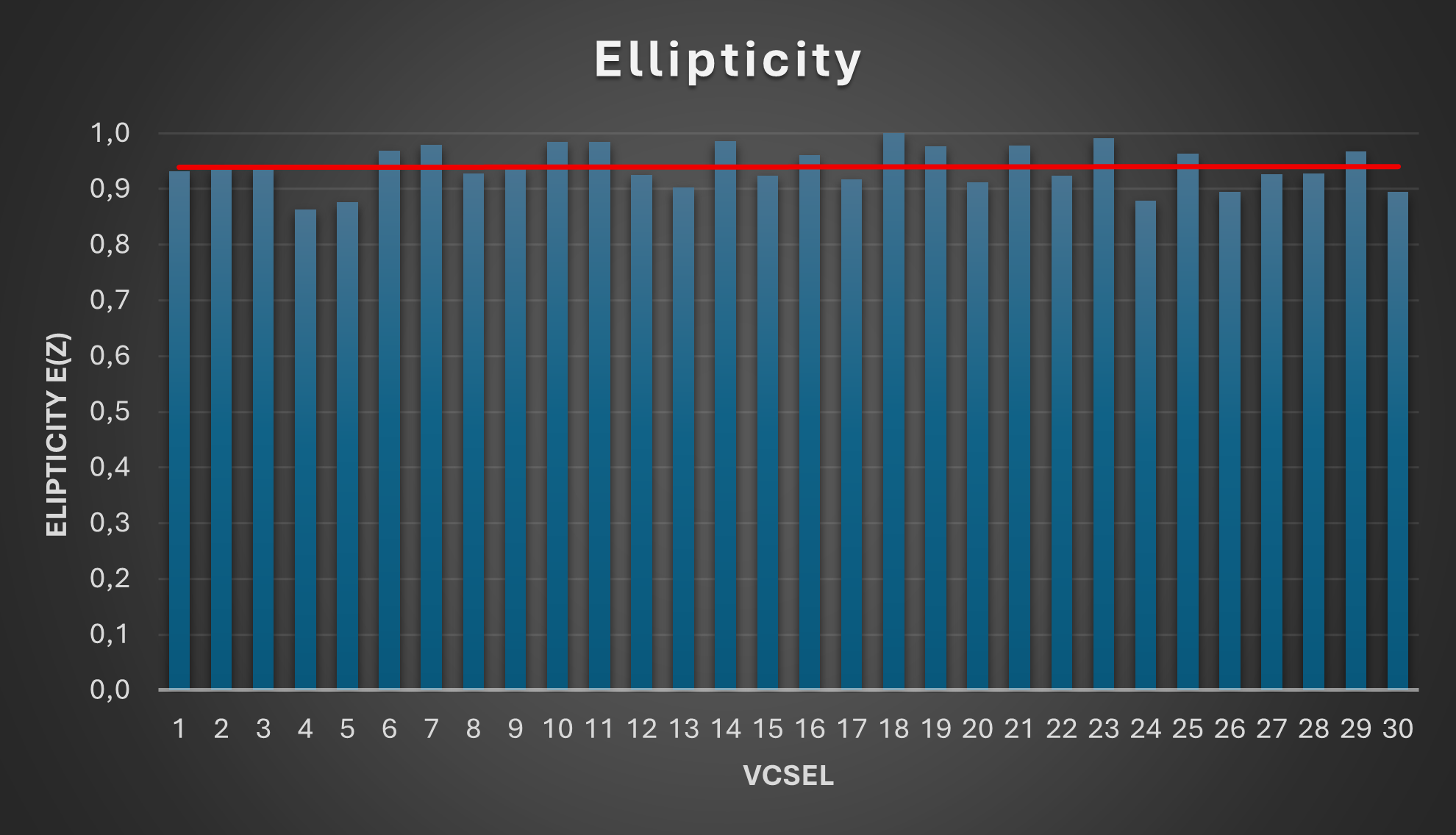
Based on this, our VCSEL laser dioden portfolio includes:
- 850 nm Single‑Mode‑VCSELs with 1 mW and 1.5 mW
- Models with an integrated monitor photodiode
- 760 nm VCSELs for O₂ sensing (TDLAS – Tunable Diode Laser Absorption Spectroscopy)
In addition, we offer custom laser modules with
- Integrated beam shaping (DOE or micro-optics)
- Fiber coupling
- Integrated driver electronics
- Temperature-stabilizing solutions based on NTC or TEC
In conclusion, one key question remains
Which parts of your system are driven by the actual application—and which exist merely as a response to the limited stability of the light source?
Especially when it comes to VCSEL stability, wavelength drift, and optical power reproducibility, there is often underestimated potential to significantly simplify system designs, improve robustness, and enhance long-term efficiency.